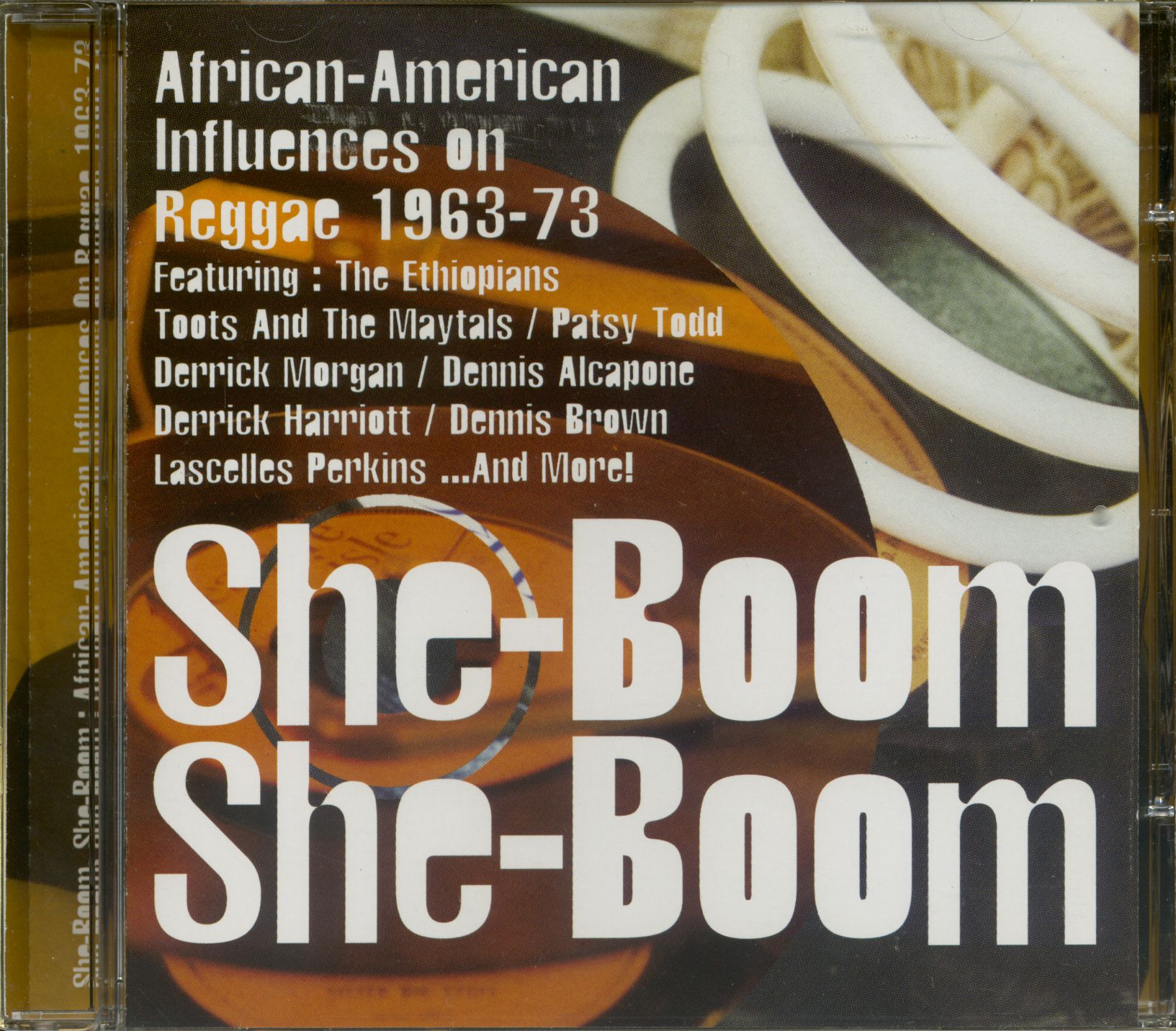
Bildquelle: bear-family.de
Preisverlauf (90 Tage)
Tiefstpreis: 14,95 €
Trend
Stabile Preise
Der Trend beruht auf den letzten 14 Tagen des Preisverlaufs und ist
keine Vorhersage. Gezeigt wird je Tag der niedrigste Preis aller bei uns
gelisteten Shops — Angebote, die wir nicht erfassen, sind nicht enthalten.
Browser-Benachrichtigung bei PreissenkungWir melden uns, sobald es günstiger wird als heute (14,95 €) — höchstens einmal am Tag. Ohne E-Mail, ohne Konto, jederzeit abbestellbar. Amazon-Angebote sind ausgenommen. Datenschutz
Hinweis: Amazon-Preise sind in der Preisverfolgung bzw. im
Preisverlaufsgraphen nicht enthalten. Wir versenden keine
Benachrichtigungen zu Produkten über Amazon.
Various - She-Boom, She-Boom - African-American Influences On Reggae1
Hersteller:
Various
· MPN: CDWESA864
Günstigster Preis
14,95 €
inkl. MwSt.
Bei 1 Anbieter im Vergleich
Zuletzt aktualisiert: 21.10.2026 10:02 Uhr
Produktfakten auf einen Blick
- Hersteller
- Various
- EAN
- 0614475038644
- Hersteller-Artikelnr.
- CDWESA864
- Günstigster Preis
- 14,95 € (bear-family.de)
- Anbieter im Vergleich
- 1 Shops
Produktbeschreibung
(2000/Westside) 18 tracks booklet. African-American Influences On Reggae 1963-73 She-Boon She-Boom 'The Big Beat Keeps You Rocking On Your Feet'... ...And it came to pass that the American Rhythm & Blues of the 1950s and early 1960s begat reggae. Well, almost . Before Jamaica's national music - and its most outstanding world export - became 'reggae', it inevitably passed through several stages of metamorphosis. First there was the shuffle. the island's own individualistic representation of the sounds that beamed daily and nightly from clear-channel R&B stations in America's deep south - statio
Bewertungen & Erfahrungen
Für dieses Produkt liegen noch keine Bewertungen vor. Sei der oder die Erste!
Noch keine Erfahrungsberichte vorhanden.
Teile deine Erfahrung und hilf anderen bei der Kaufentscheidung.
Preisvergleich
1 Angebot gefunden
* Alle Preise inkl. MwSt., ggf. zzgl. Versandkosten. Preise und Verfügbarkeit können sich seit der letzten Aktualisierung geändert haben. Beim Klick auf „Zum Angebot" oder „Zum Shop" verlässt du testmonster.de und wirst zum jeweiligen Händler weitergeleitet. testmonster.de erhält ggf. eine Provision — für dich entstehen keine Mehrkosten. Letzte Aktualisierung: 21.10.2026 10:02 Uhr.
Weitere Produkte von Various
Alle Produkte → 
Triangle - Die Angst kommt in Wellen (Blu-ray)
Various

Various - GEBRAUCHT Die 30 besten Gute-Nacht-Geschichten für
Various

Triangle - Die Angst kommt in Wellen (DVD)
Various

Klassik für Kinder: Ausgewählte Werke für kleine Hörer unter
Various
ab 15,99 €
inkl. MwSt.
1 Anbieter im Vergleich

Non Je Ne Regrette Rien - 50 Große Erfolge - Edith Piaf (CD)
Various
Ähnliche Produkte
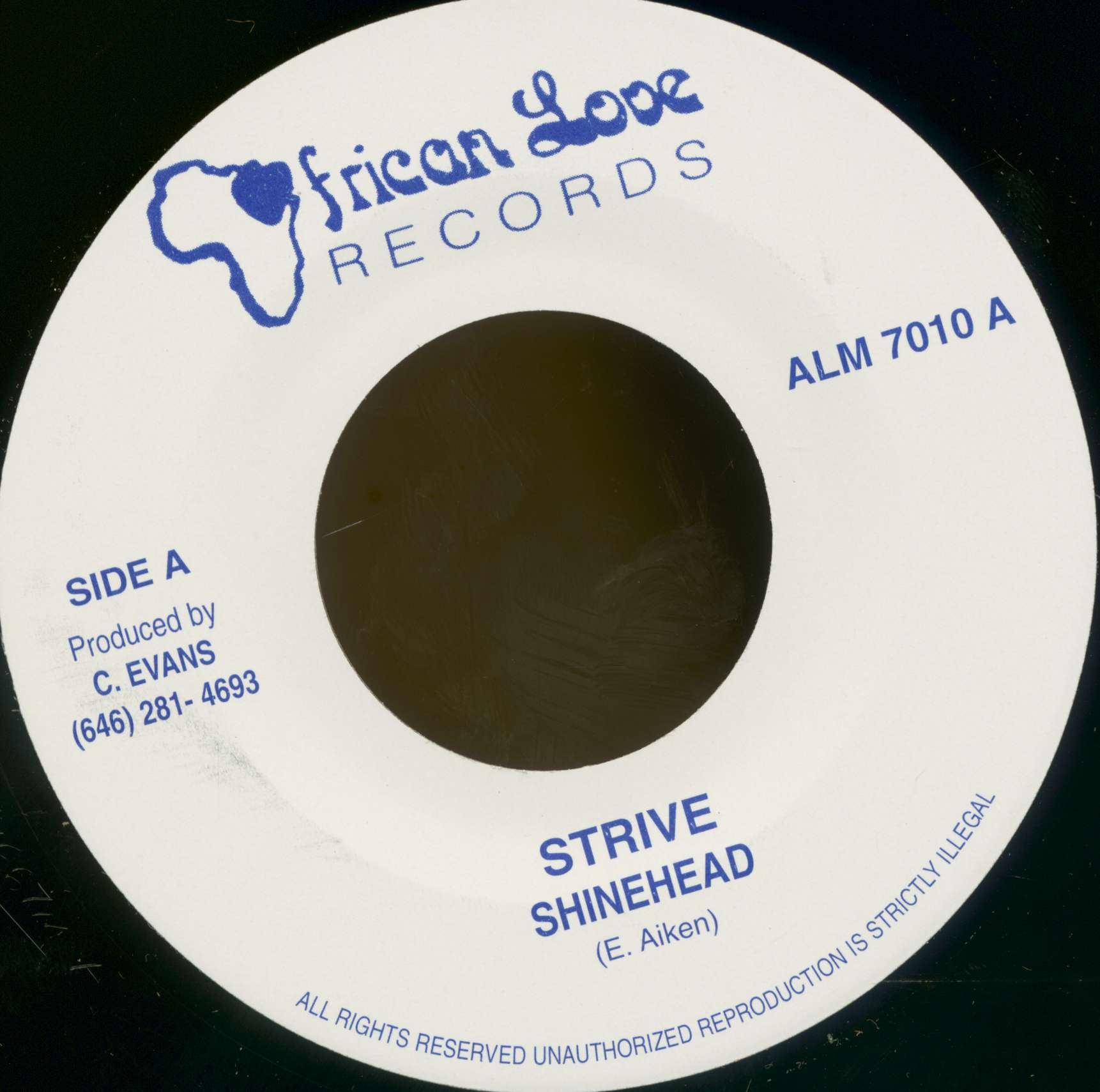
Shinehead - Strive - Strive (Version) (7inch, 45rpm)
Shinehead
ab 15,94 €
inkl. MwSt.
2 Anbieter im Vergleich
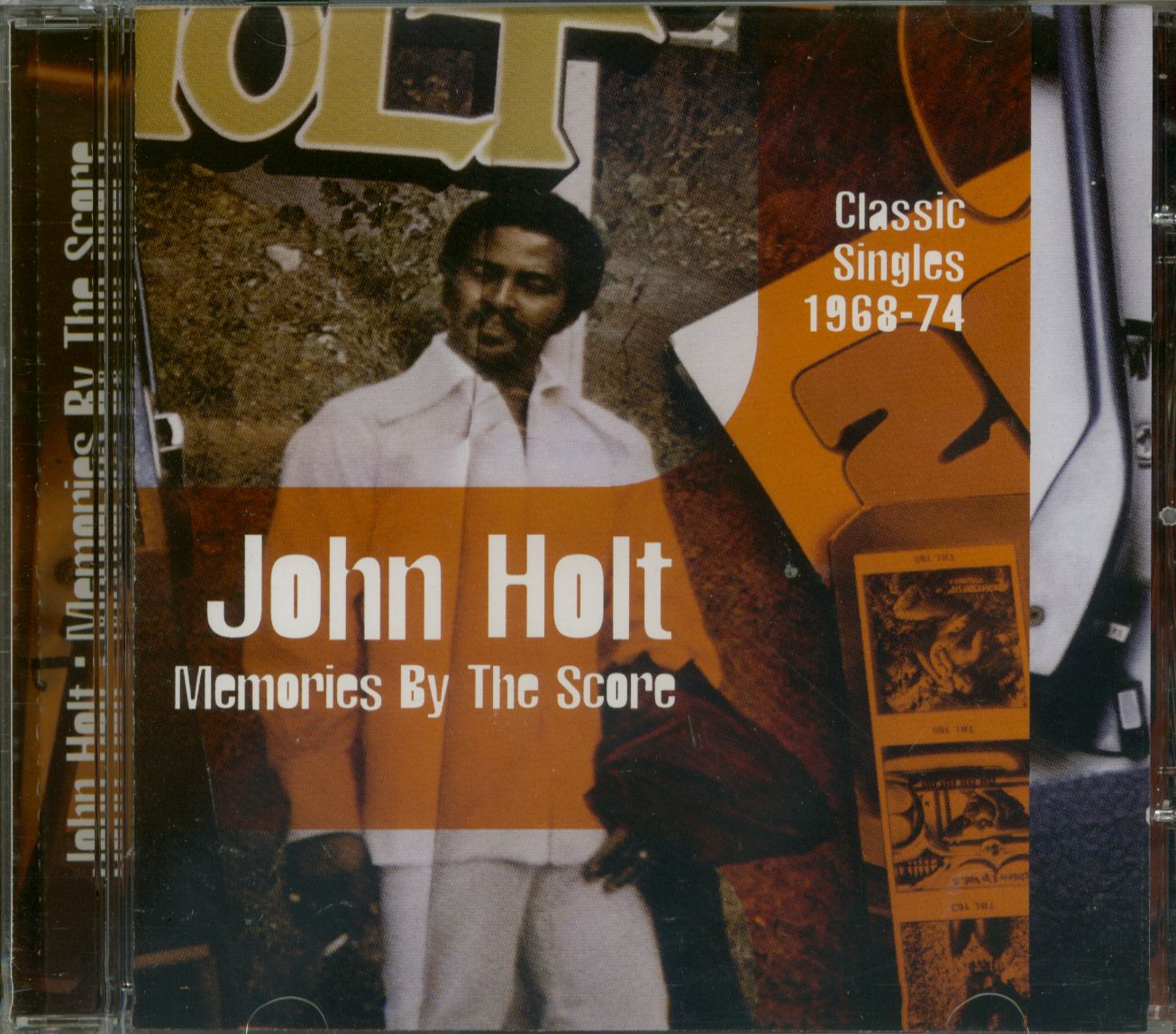
Holt, John - Memories By the Score (CD)
Holt, John
ab 15,94 €
inkl. MwSt.
2 Anbieter im Vergleich
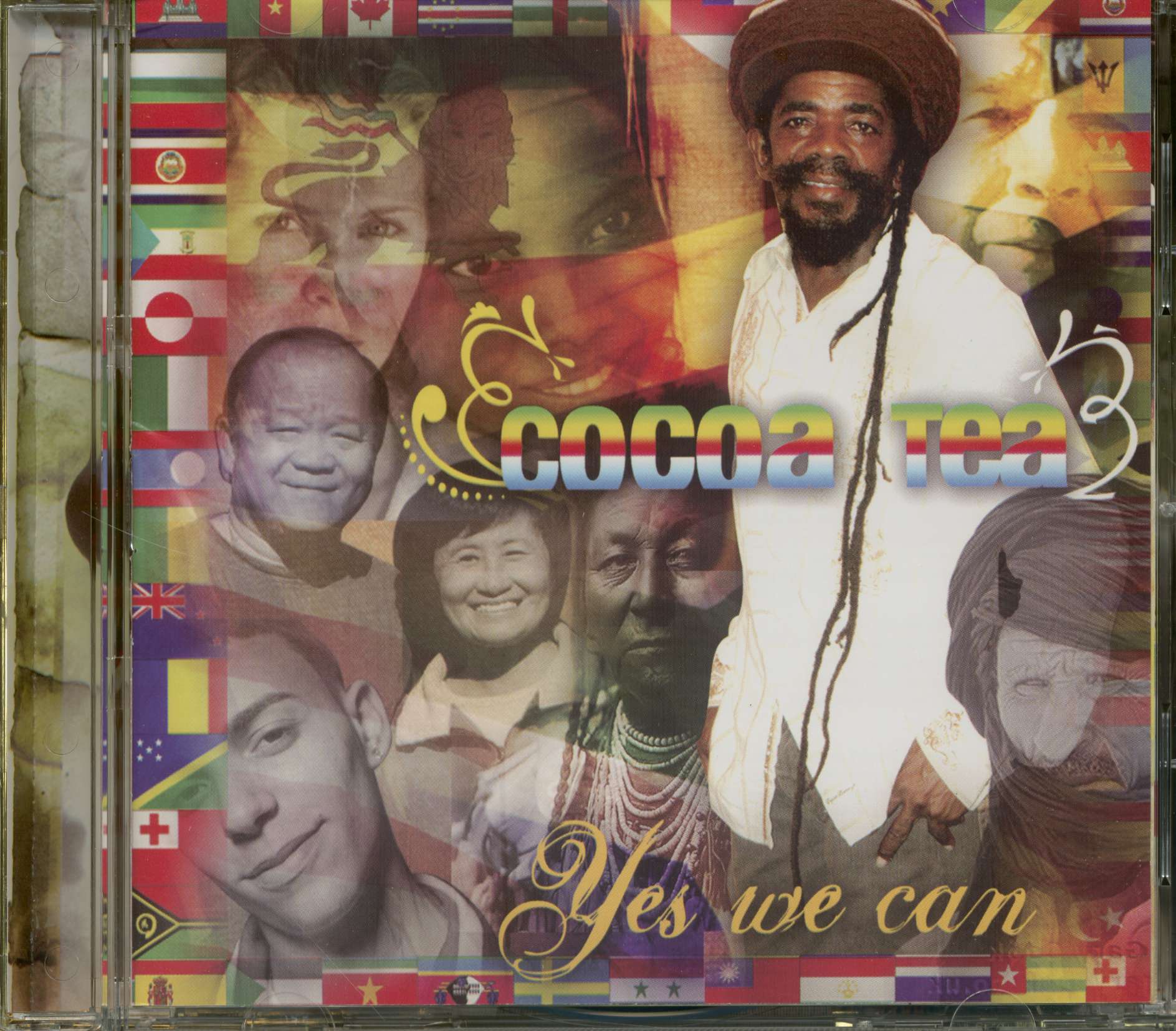
Cocoa Tea - Yes We Can (CD)
Cocoa Tea
ab 25,94 €
inkl. MwSt.
2 Anbieter im Vergleich
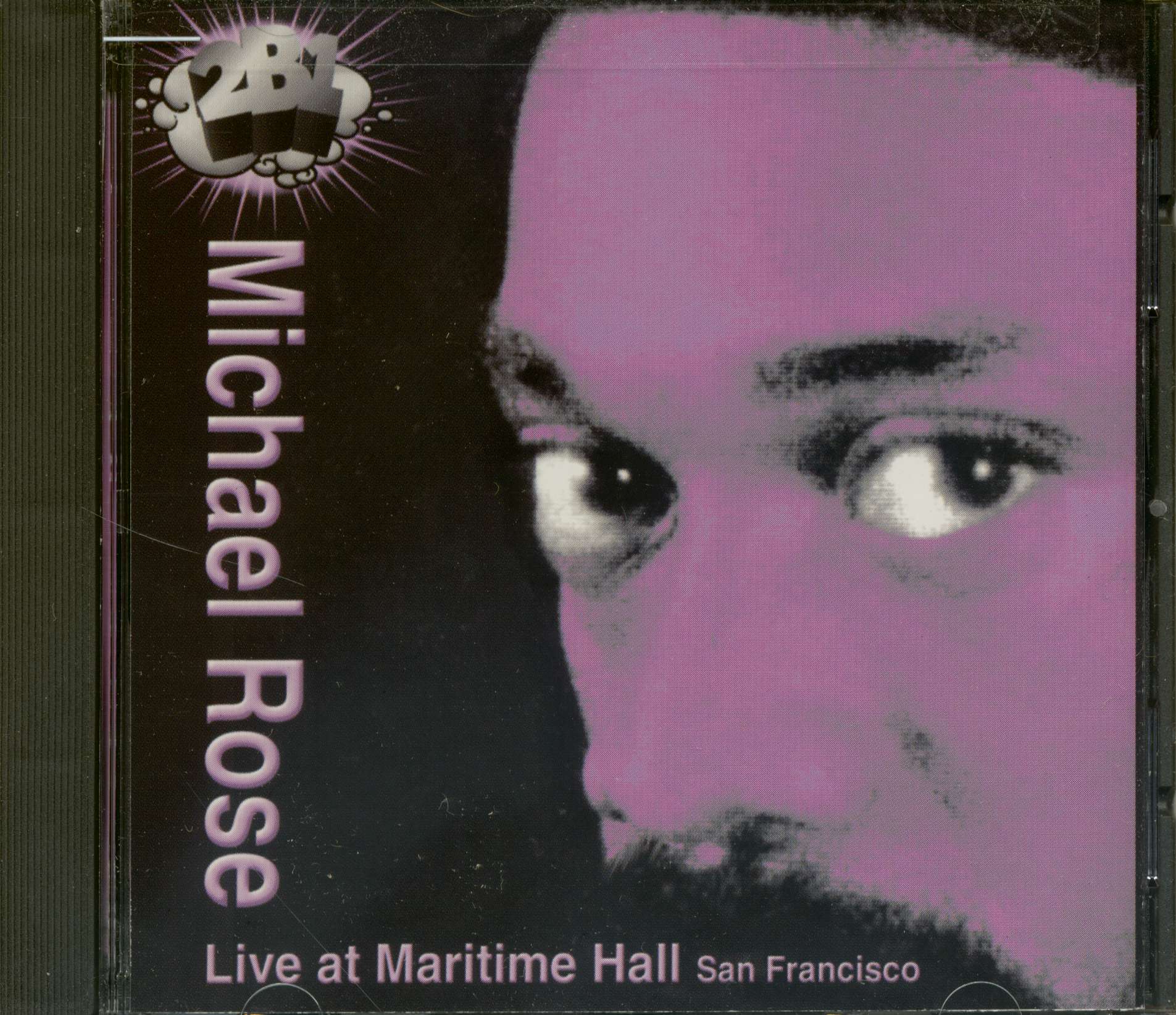
Rose, Michael - Live At Maritime Hall San Francisco (CD)
Rose, Michael
ab 14,94 €
inkl. MwSt.
2 Anbieter im Vergleich
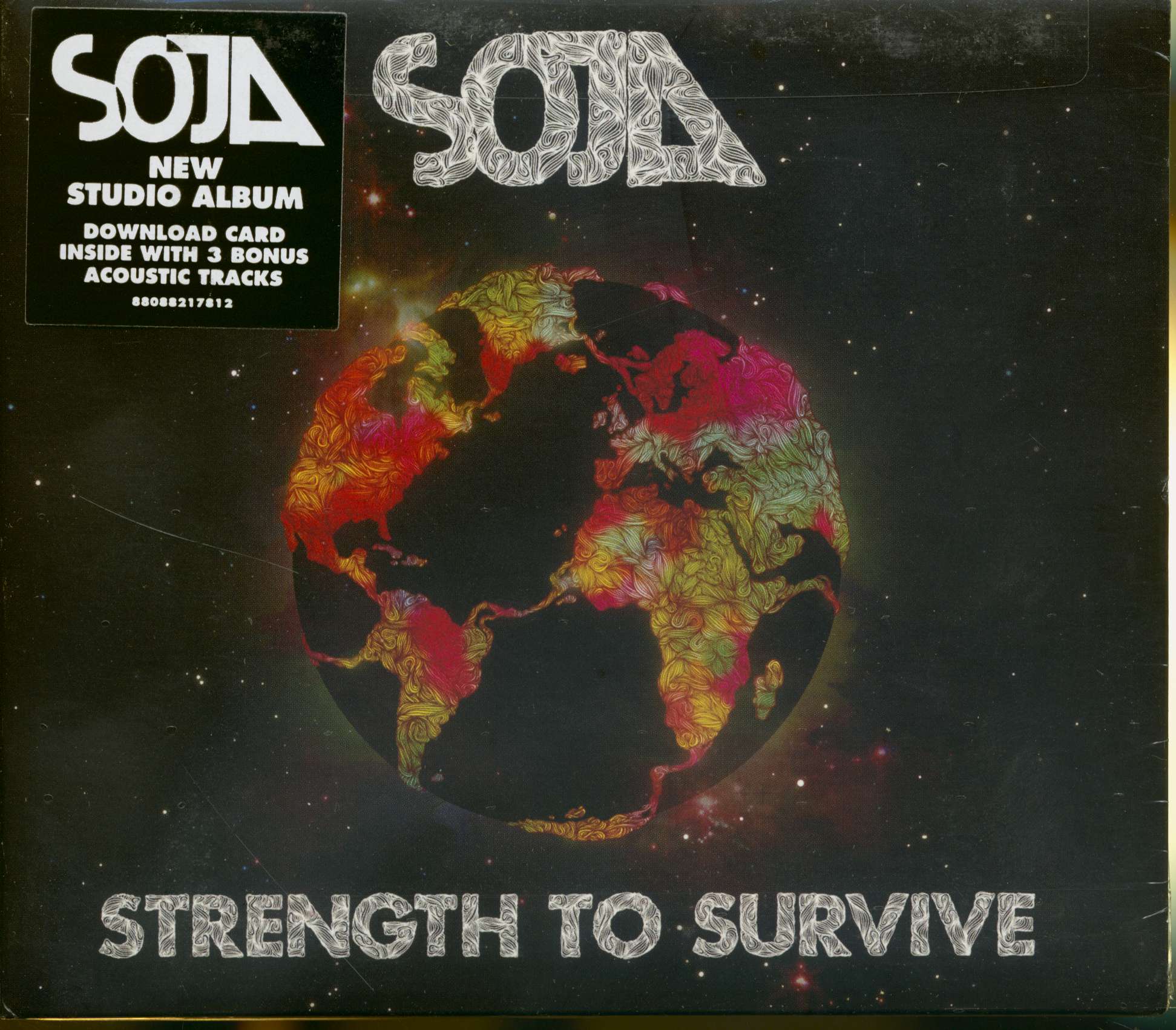
Soldiers Of Jah Army - SOJA - Strength To Survive (CD)
Soldiers Of Jah Army
ab 23,94 €
inkl. MwSt.
2 Anbieter im Vergleich