Nachdem ich mit den letzten drei Rushdie-Werken seit "Shalimar the Clown" nicht wirklich warm geworden bin (v.a. die letzten beiden, "Two Years Eight Months and Twenty-Eight Nights" und "The Golden House", waren für mich eher enttäuschend) kehrt Rushdie in "Quichotte" wieder zu alter Form zurück. Ohne vom Inhalt zu viel zu verraten könnte man das Buch als Meta-Roman bezeichnen: Rushdie schreibt über einen Autor, der einen Roman verfasst, und der Leser erlebt beide Welten, jene des Autors und jene des Romans, den er kreiert, bis beide Welten - in bester Rushdie-Manier - am Ende nicht nur Parallelen aufweisen, sondern auch ineinander übergehen. Das Buch ist klug, voller Referenzen und Anspielungen auf Politik und (Pop-)Kultur und ein wahrhaft kurzweiliges Lesevergnügen nicht nur für eingefleischte Rushdie-Fans. Kaufempfehlung!
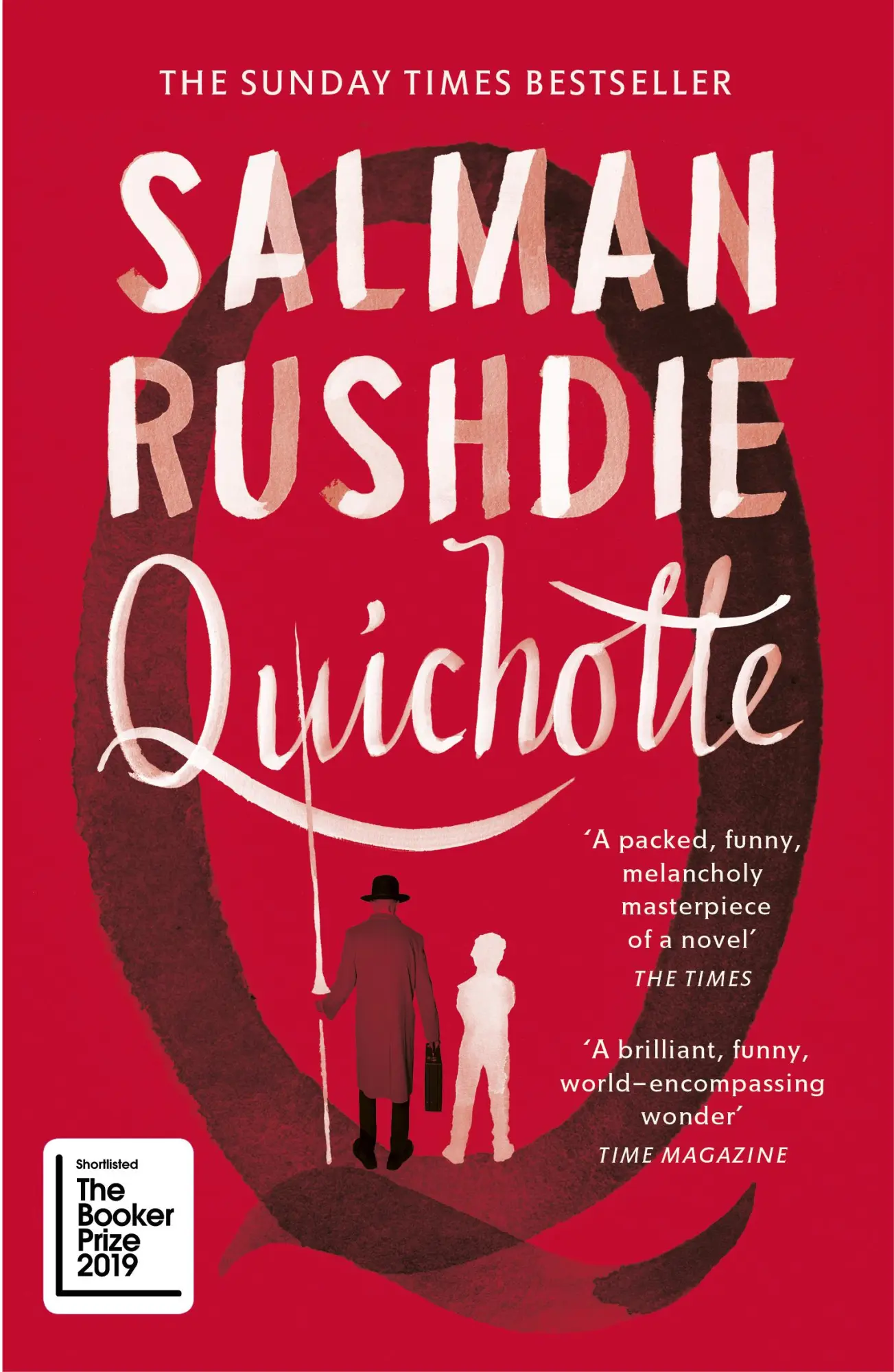
Bildquelle: preigu de
Preisverlauf (90 Tage)
Tiefstpreis: 12,30 €
Trend
Stabile Preise
Der Trend beruht auf den letzten 14 Tagen des Preisverlaufs und ist
keine Vorhersage. Gezeigt wird je Tag der niedrigste Preis aller bei uns
gelisteten Shops — Angebote, die wir nicht erfassen, sind nicht enthalten.
Browser-Benachrichtigung bei PreissenkungWir melden uns, sobald es günstiger wird als heute (12,30 €) — höchstens einmal am Tag. Ohne E-Mail, ohne Konto, jederzeit abbestellbar. Amazon-Angebote sind ausgenommen. Datenschutz
Hinweis: Amazon-Preise sind in der Preisverfolgung bzw. im
Preisverlaufsgraphen nicht enthalten. Wir versenden keine
Benachrichtigungen zu Produkten über Amazon.
Salman Rushdie - GEBRAUCHT Quichotte - Preis vom 02102023 050404 h
Hersteller:
Random House Uk Ltd
· MPN: 748694
Günstigster Preis
12,30 €
inkl. MwSt.
Bei 2 Anbietern im Vergleich
Zuletzt aktualisiert: 10.10.2026 18:13 Uhr
Produktfakten auf einen Blick
- Hersteller
- Random House UK Ltd
- EAN
- 9781529111989
- Hersteller-Artikelnr.
- 748694
- Kategorie
- Bücher
- Ø Bewertung
- 3,0 / 5,0 (2 Bewertungen)
- Günstigster Preis
- 12,30 € (preigu.de)
- Anbieter im Vergleich
- 2 Shops
Produktbeschreibung
Quichotte | Salman Rushdie | Taschenbuch | B-format paperback | XIV | Englisch | 2020
Bewertungen & Erfahrungen
Verteilung basiert auf 2 vorliegenden Einzelbewertungen.
Wir bündeln Bewertungen aus verschiedenen Quellen und geprüfte Nutzerbewertungen von testmonster.de, um dir ein ehrliches Gesamtbild zu geben.
Admittedly, I have only read a third of this book. It takes courage to re-write Cervantes‘ immortal novel, but would anyone but Rushdie be up to the challenge? Alas, he fails me as a reader in all crucial dimensions. Firstly, the story of Rushdie‘s Quichotte hinges on television consumption not knight‘s novels as the original. The difference is crucial, as the original Quichotte‘s readings at least pretend to lift the spirit of its readers, whereas modern TV doesn‘t make any claim like that (at least not to my knowledge). This Quichotte, therefore, lacks the original‘s self elevation. Secondly, Dulcinea is in the original ambiguous if not straightaway fictitious, whereas in this book Rushdie invents a complete character and doesn‘t spare us pages and pages of personal details of this lady. Thirdly, whereas the original is teeming with clever wit and is really hilarious on almost every page, Rushdie is far too busy to impress the reader with his wide knowledge of trivia and popular culture (he doesn‘t even omit the ! when talking of Oprah) that he forgets to be funny. If anything, this is a sad story...but no. Hold on. It is a story which leaves the reader completely untouched, the character is not interesting whatsoever. And Rushdie has wasted the clever invention of Sancho Pansa as well - while in the original, the two represent the two main strands of human character, this Sancho is only an imagined copy of Quichotte himself - another great opportunity wasted by this esteemed writer.But does Rushdie attempt to re-write the classic in the first place? Well, I don‘t know, but the evidence is there. TV for knights‘ books, an old car of a traveling salesman for Rocniante, Salma R for Dulcinea, the child for Sancho, the seemingly absurd quest for the lady, the various episodes in which Rushdie‘s Quichotte tries his wit on other people or foreign situations...it‘s all there. Even the first remarks about the different spellings of the classic in various languages point this way (they are only the first examples of over-cleverness by the author).As I mentioned, I put this book aside after a quarter, perhaps a third through. It is a waste of time. The book isn‘t funny, the main characters are as papern as the book itself, and Rushdie shining through all the time trying to be overly clever and informed. Go for the original, dear reader, that one will live forever, this book (Rushdie‘s Quichotte) you will forget as soon as you close the cover.Finally, what I found disappointing as well is the revival of some ideas from Midnight‘s Children - whatitsname is back only slightly disguised. I hope to read another fine book by Rushdie in the near future. I am big fan, but this one just doesn‘t cut it.
Preisvergleich
2 Angebote gefunden
* Alle Preise inkl. MwSt., ggf. zzgl. Versandkosten. Preise und Verfügbarkeit können sich seit der letzten Aktualisierung geändert haben. Beim Klick auf „Zum Angebot" oder „Zum Shop" verlässt du testmonster.de und wirst zum jeweiligen Händler weitergeleitet. testmonster.de erhält ggf. eine Provision — für dich entstehen keine Mehrkosten. Letzte Aktualisierung: 10.10.2026 18:13 Uhr.
Weitere Produkte von Random House Uk Ltd

V13: The extraordinary gripping account of the Paris terror
Random House Uk Ltd
ab 21,58 €
inkl. MwSt.
1 Anbieter im Vergleich
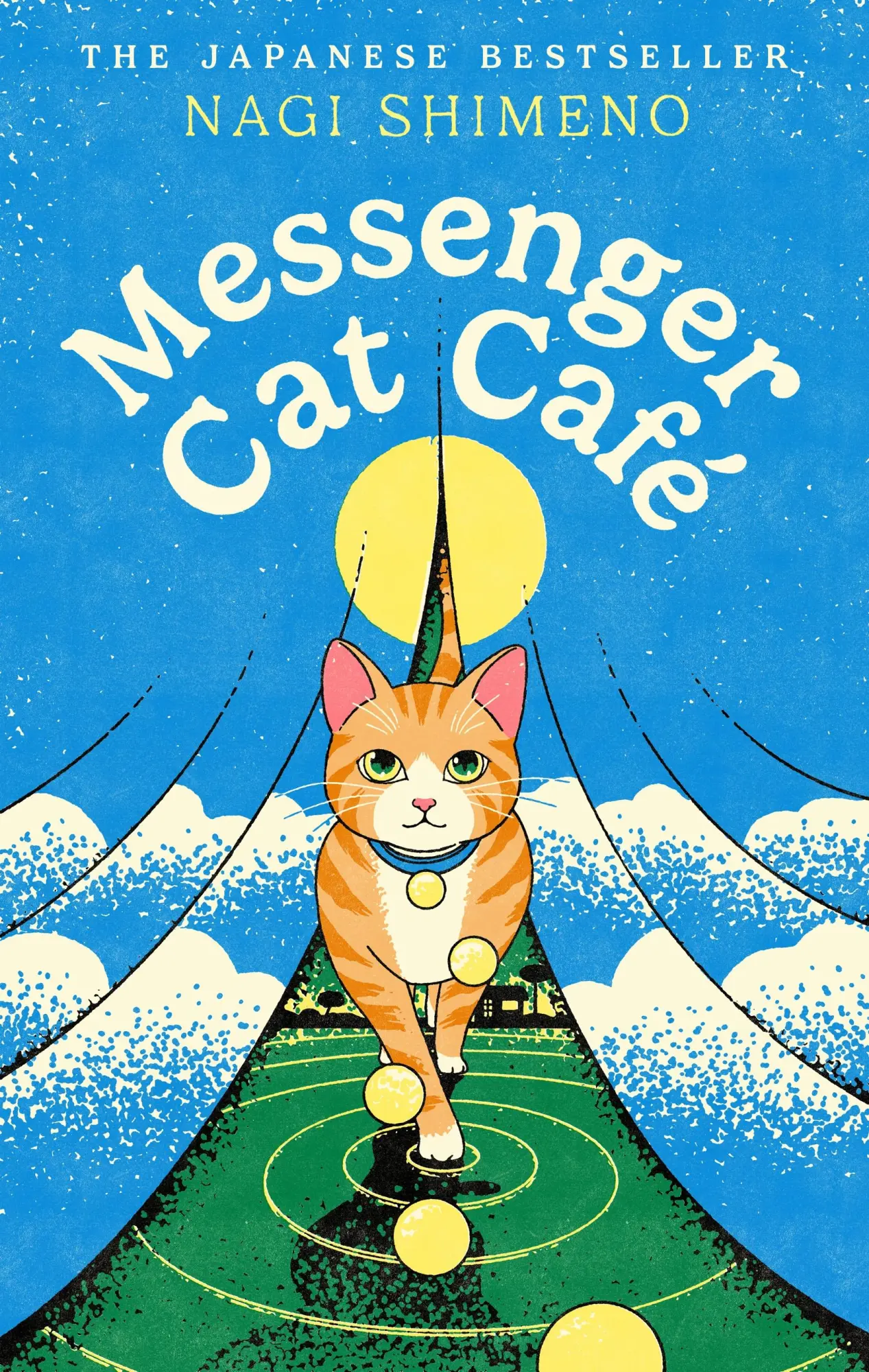
Shimeno, Nagi: Messenger Cat Café
Random House Uk Ltd
ab 15,40 €
inkl. MwSt.
2 Anbieter im Vergleich
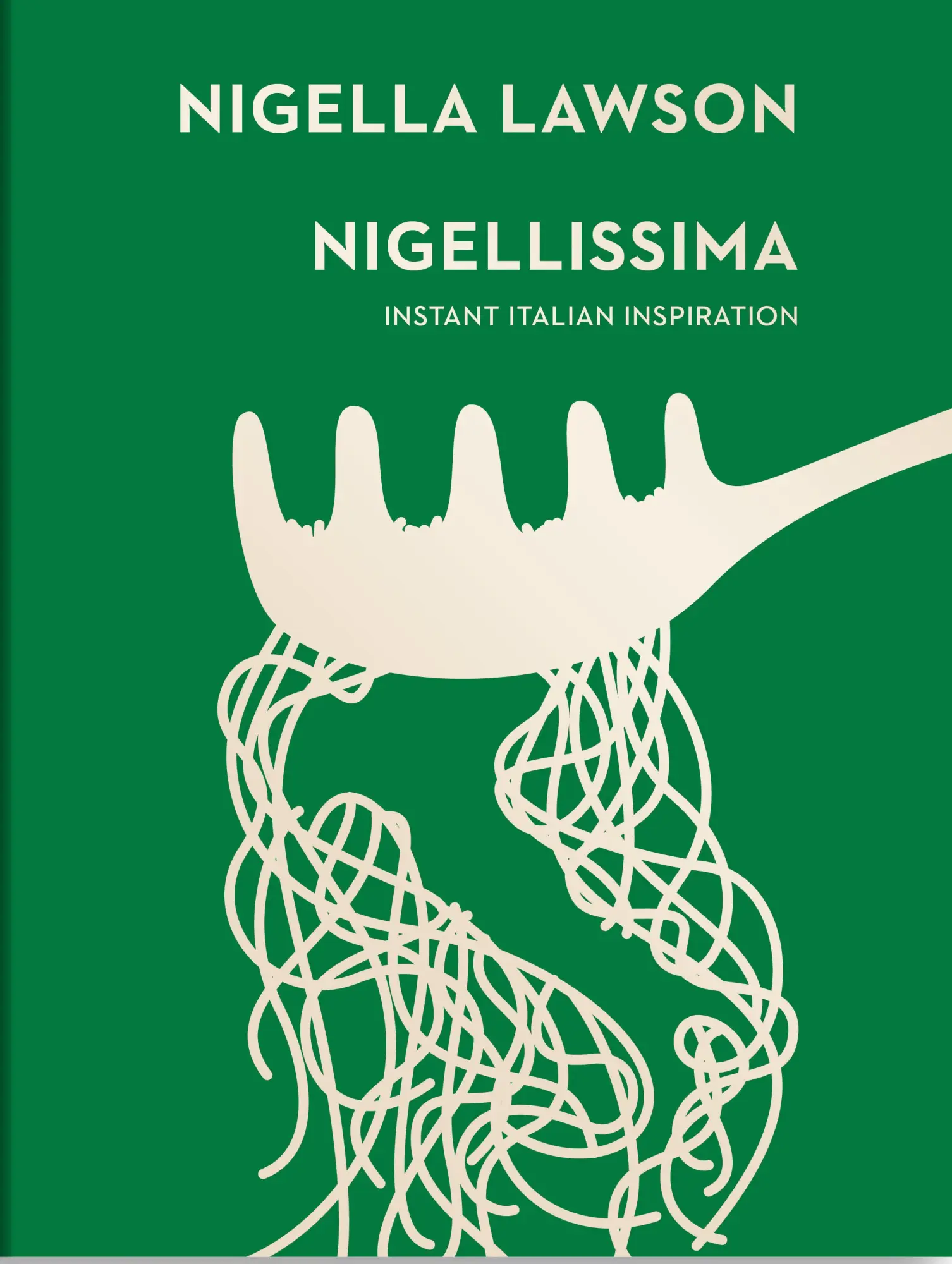
Nigellissima Instant Italian Inspiration - Nigella Lawson Ge
Random House Uk Ltd
ab 24,98 €
inkl. MwSt.
2 Anbieter im Vergleich
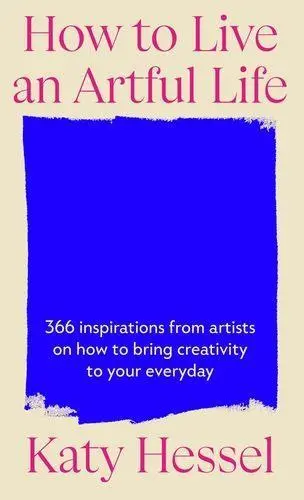
How To Live An Artful Life: A Year of Creativity and Inspira
Random House Uk Ltd
ab 16,95 €
inkl. MwSt.
2 Anbieter im Vergleich
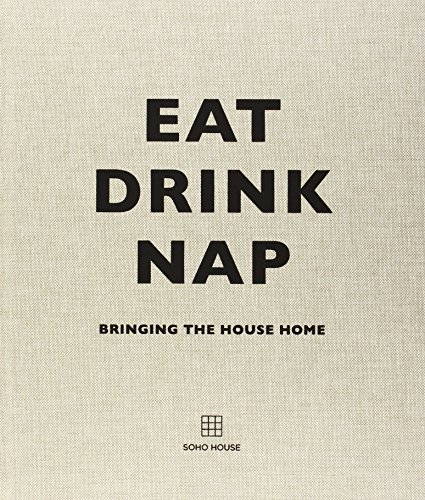
Eat, Drink, Nap: Bringing the House Home
Random House Uk Ltd
ab 33,98 €
inkl. MwSt.
3 Anbieter im Vergleich
Weitere Produkte in „Bücher“
Alle in Kategorie → 
Clairefontaine 734161C Heft (gebund Age Bag, liniert, 9 x 14
Clairefontaine
ab 18,79 €
inkl. MwSt.
1 Anbieter im Vergleich

10 x Rhodia Notizblock Rhodia Nr. 12 8,5x12cm liniert 80 Bla
Rhodia
ab 24,29 €
inkl. MwSt.
1 Anbieter im Vergleich

Akku Duracell DR9945 1020 mAh 7,4 V Lithium-Ion für Kamera
Duracell
ab 25,19 €
inkl. MwSt.
3 Anbieter im Vergleich

10 x Rhodia Notizblock Rhodia Nr. 14 11x17cm liniert 80 Blat
Rhodia
ab 32,69 €
inkl. MwSt.
1 Anbieter im Vergleich

So sorry: Ein Brite erklärt sein komisches Land (Beck Paperb
C.h.beck
ab 12,00 €
inkl. MwSt.
1 Anbieter im Vergleich